

SALT LAKE CITY, UT—Hart Theatre Company’s Next to Normal is a rock-infused, emotionally charged, and deeply affecting production, featuring music by Tom Kitt and book and lyrics by Brian Yorkey, that captures the raw complexities of mental illness. Under the direction of Chase Ramsey, with assistance from Shannon Follette, this Pulitzer Prize-winning musical delivers a powerful exploration of bipolar disorder, family dynamics, and the search for stability. With stunning performances, innovative stage design, and an exceptional live orchestra, the production immerses audiences in the emotional highs and lows of its characters. This review delves into the standout elements of the show, including its visually striking set, masterful musical direction, and deeply moving performances that make Next to Normal a must-see theatrical experience.
A Chaotic Yet Gorgeous Stage Design
One of the most striking visual elements of Hart Theatre Company’s production is its stage design, which mirrors the chaos and complexity of Diana’s mind. The set features a two-story house with wallpaper that is covered in a mix of black-and-white patterns, swirls, paints strokes, circles, all combined into an abstract yet mesmerizing chaotic representation of Diana’s mind. Almost everything on set adheres to this monochromatic scheme, reinforcing a sense of distorted reality. However, lighting design by Michael Gray introduces a stunning contrast—vibrant hues wash over the house, transforming the stark black-and-white world into bursts of color that shift with Diana’s emotions. This interplay between structure and lighting adds an immersive, almost dreamlike quality to the production, making Diana’s inner turmoil visually tangible for the audience. Just as the set mirrors Diana’s disordered mind, the music serves as the heartbeat of the show, amplifying the emotional highs and lows with stunning precision.
Musical Brilliance and Technical Excellence
One of the standout elements of Hart Theatre Company’s production is its exceptional live music under the direction of Musical Director Nicholas Maughan and Assistant Musical Director Joshua Rogers. Maughan, who serves as both conductor and pianist, leads a live six-piece pit orchestra that enhances the experience significantly. The interplay between the live orchestra and on-stage performances deepened the emotional impact of each scene, making the music an active force within the storytelling. The score is as versatile as it is challenging, and the music drives much of the narrative, so having talented musicians provide live accompaniment is invaluable. The musicians added an organic and dynamic quality to the performance, enhancing the raw emotional intensity of each song. The band members for this production include:
Conductor/Piano: Nicholas Maughan
Violin: Christine Warren
Cello: Risa Bean
Bass: Dan Pack
Guitar: Emily Hackworth
Percussion: Justin Lord
Maughan’s direction keeps the ensemble tight and responsive, while Warren’s violin and Bean’s cello adds stirring, melancholic textures to the score. Pack’s bass provides a solid foundation, Hackworth’s guitar work lends the necessary rock edge to the show’s more intense moments, and Lord’s percussion drives the dynamic shifts with precision. Together, with Grace Heinz, as sound designer, they work alongside the actors to produce raw energy, ensuring that every lyric and note resonates with the audience.
The creative team in this show is exceptional. Costume designer Emily Wells carefully curates each look to reflect the characters’ evolving journeys, subtly expressing their struggles and transformations. Meanwhile, Chase Ramsey’s scenic design creates a fluid and immersive space, adapting seamlessly to the family’s shifting realities. Together, this talented team brings Next to Normal to life with depth and precision. The depiction of electroconvulsive therapy (ECT) in the second act, particularly in the song “Wish I Were Here,” is a standout moment. The costumes, lighting, sound effects and Noble’s performance combine to create a harrowing and surreal representation of Diana’s treatment, capturing both the fear and the unknown aspects of psychiatric interventions. The lyric “So maybe I’ll see how it feels / To not feel” echoes chillingly in this moment, highlighting Diana’s desperate attempt to escape her suffering.

Context and the Evolution of Mental Health Treatment
When Next to Normal was written in the early 2000s, conversations about mental health were beginning to gain mainstream attention, yet stigma remained strong. The show’s honest and raw depiction of bipolar disorder, psychosis, and psychiatric treatment was groundbreaking at the time, offering a deeply humanizing perspective on those struggling with mental illness. However, in the 15 years since its Broadway debut, treatments for mental health disorders have advanced significantly. While ECT is still used in some cases, newer treatments such as ketamine infusion therapy and transcranial magnetic stimulation (TMS) have emerged as promising alternatives for treatment-resistant depression and bipolar disorder.
While the show’s portrayal of ECT is harrowing, it serves as a dramatic device to highlight the imperfect and often painful search for stability. Advances in psychiatric care, including ketamine therapy and transcranial magnetic stimulation, provide new hope for those struggling today—though the trial-and-error process of mental health treatment remains a difficult journey. Though Next to Normal rightfully highlights the imperfections in mental health treatment, it is important to recognize that modern medicine continues to improve, and seeking help is more effective and hopeful now for many. However, patient advocacy remains crucial.
Performances that Transcend the Stage
The production’s success hinges on the raw, transformative performances of its cast. Each actor brings a nuanced depth to their role, making Next to Normal an unforgettably visceral experience. Natalia Noble delivers an emotionally raw and deeply affecting performance as Diana, navigating the complexities of a woman battling bipolar disorder while desperately trying to hold onto her family. She seamlessly shifts between moments of heartbreaking vulnerability and fierce resilience, embodying the internal tug-of-war between Diana’s love for her family and the weight of her illness.
One of Noble’s most striking moments comes in “I Miss the Mountains,” where she captures Diana’s aching nostalgia for a time when she felt more in control of her emotions. Her voice soars with longing as she delivers lines like, “Everything is balanced here and on an even keel / Everything is perfect, nothing’s real.” The contrast between her controlled phrasing and the deep emotional undercurrents of the song creates a hauntingly beautiful moment, allowing the audience to feel the loss and yearning at the heart of her character’s struggle. Throughout the show, Noble’s performance remains raw yet controlled, making Diana’s journey both devastating and deeply human.

As Dan, Benjamin Henderson brings a quiet yet deeply powerful presence to the stage, embodying a husband and father worn down by years of fighting for normalcy. His portrayal captures the subtle yet crushing weight of a man trying to remain strong for his family, even as his own emotional reserves run dry. Henderson’s performance is at its most heartbreaking in “I’ve Been,” where he delivers a beautifully restrained vocal performance, revealing the depth of Dan’s devotion and exhaustion without ever becoming overwrought.
His interactions with Noble’s Diana are particularly moving, showing a man desperate to anchor his wife to reality while slowly realizing that love alone may not be enough. Henderson’s ability to balance Dan’s steadfastness with moments of quiet despair makes his performance particularly compelling, giving depth to a character who might otherwise fade into the background. His presence serves as the emotional glue of the production, holding together a family on the brink of collapse.
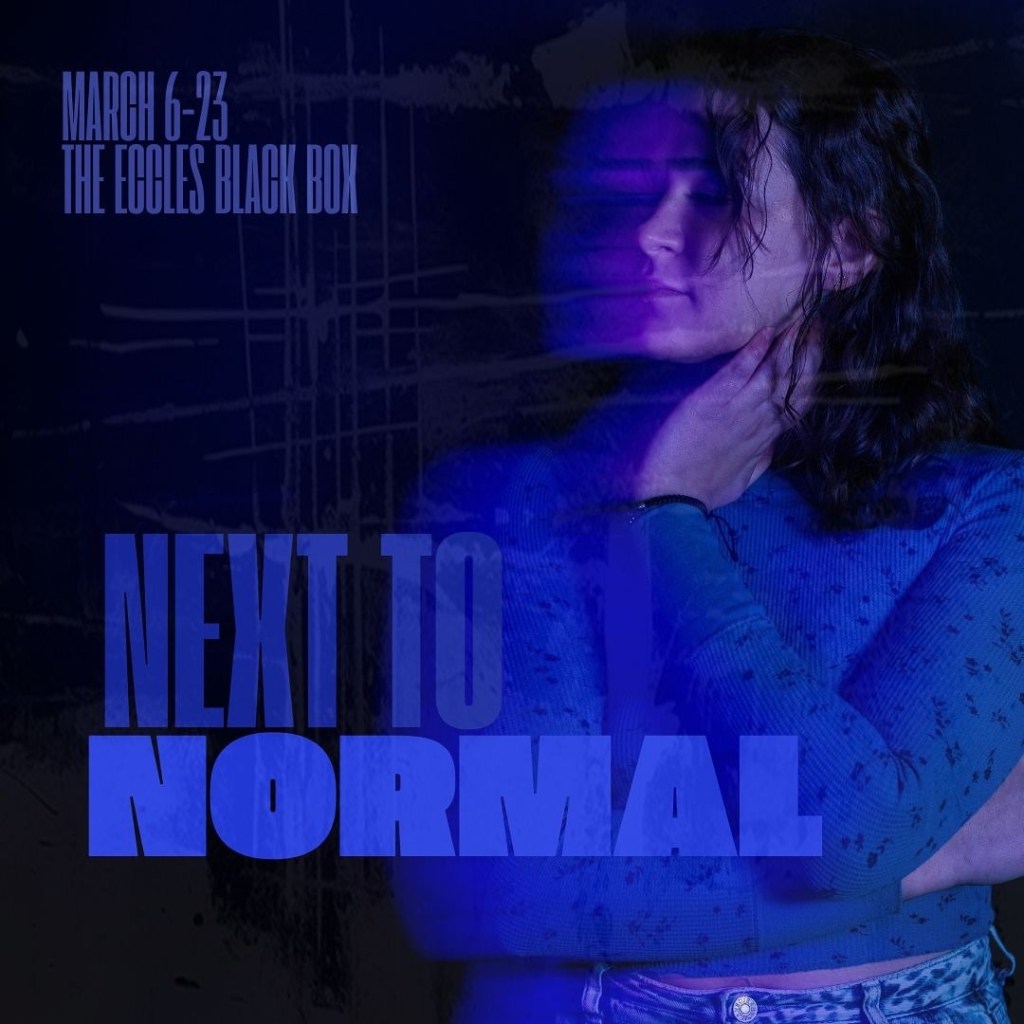
Sam Torres provides a compelling counterpoint to Noble’s Diana, highlighting the intergenerational impact of mental illness. Her portrayal of Natalie is layered with frustration, longing, and a desperate need to be seen in a family where she often feels like an afterthought. Torres fully embodies the raw emotional turbulence of a teenager grappling with her mother’s illness while struggling to forge her own identity.
Her duet with Noble in “Maybe (Next to Normal)” is one of the show’s most gut-wrenching moments, showcasing a fragile hope amidst the uncertainty: “Maybe we can’t be okay / But maybe we’re tough and we’ll try anyway.” Torres delivers the lines with aching sincerity, her voice blending seamlessly with Noble’s to create a moment of rare and tentative connection between mother and daughter.
As a vocalist, Torres is nothing short of spectacular. Her powerhouse performance reaches its peak in “Superboy and the Invisible Girl,” where she unleashes a breathtaking mix of control and desperation. Her belt soars effortlessly, carrying the weight of Natalie’s pain as she fights to be noticed in a family consumed by grief. Her vocal delivery cuts through with piercing clarity, leaving an emotional imprint that lingers long after the song ends. Whether expressing sharp defiance or quiet vulnerability, Torres commands the stage, making Natalie’s journey one of the most gripping elements of the production.
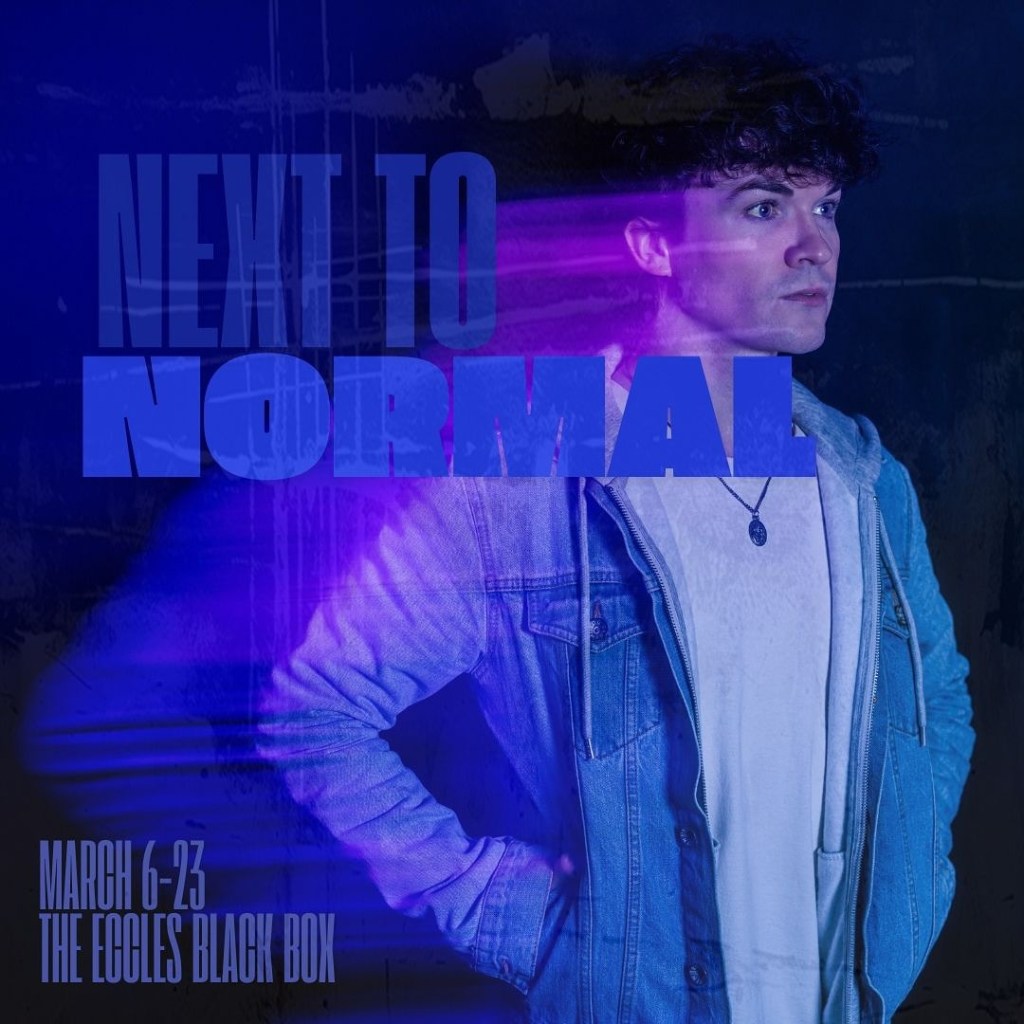
Joseph Paul Branca delivers a haunting and electrifying performance as Gabe, the ever-present yet elusive son whose role in the family is more complex than it first appears. With an eerie intensity, Branca balances charm and menace, making Gabe’s presence both alluring and unsettling. His performance is anchored by his exceptional vocal prowess, particularly in “I’m Alive,” where his soaring high notes and commanding stage presence make the number pulse with energy.
Branca’s ability to shift between warmth and an almost sinister edge adds depth to his portrayal, making Gabe feel simultaneously like the golden child Diana adores and the embodiment of something far more haunting. Every scene he is in carries an undercurrent of tension, and his chemistry with Noble’s Diana is particularly striking, reinforcing the profound yet painful bond between mother and son. His performance ensures that Gabe’s presence lingers even when he is not on stage, a testament to the chilling impact of his portrayal.
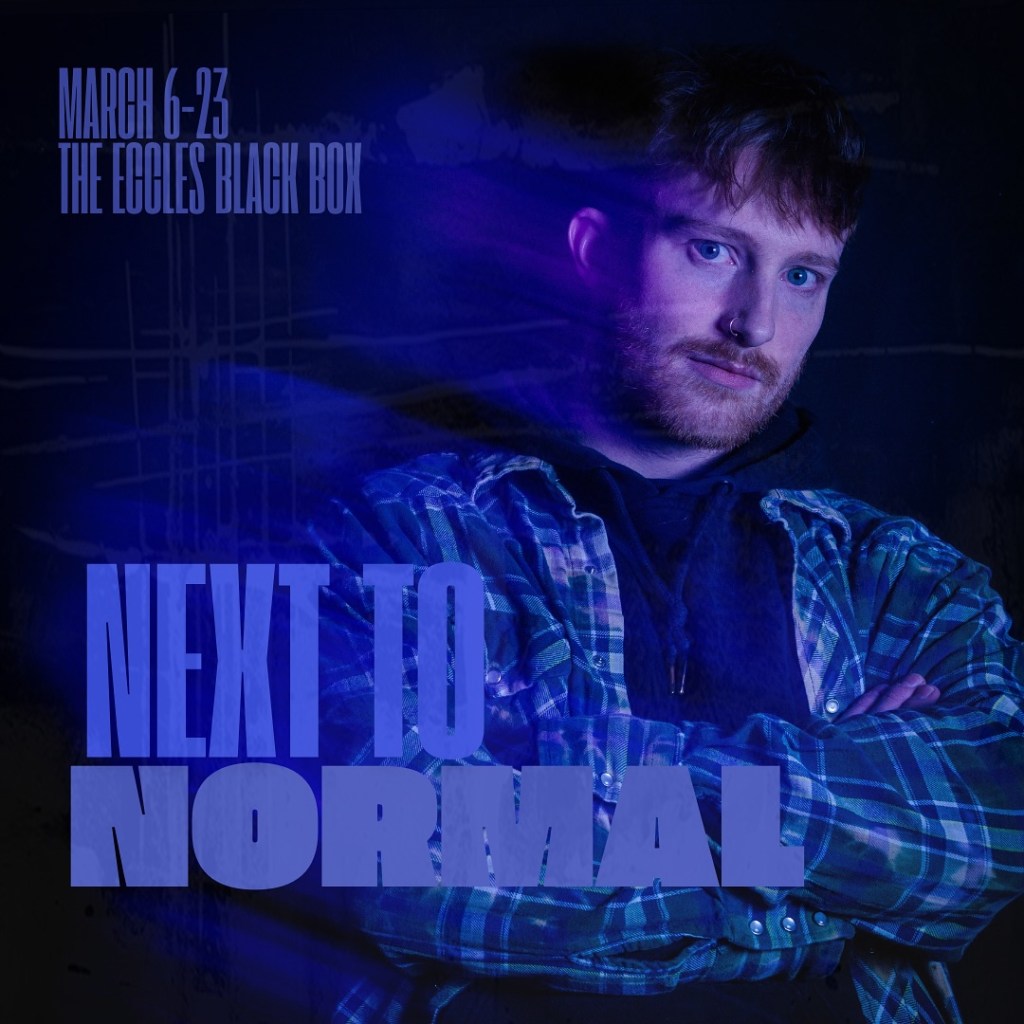
Jacob Ericksen’s portrayal of Henry provides a much-needed grounding force in the chaos of Natalie’s world. His easygoing nature and gentle persistence serve as a stark contrast to her emotional volatility, offering a sense of stability in a story defined by disorder. Ericksen brings an understated charm to the role, making Henry feel like a quiet but essential anchor.
In moments like “Perfect for You,” Ericksen’s performance shines as he offers Henry’s unwavering support with sincerity and warmth. His chemistry with Torres’ Natalie is palpable, making their dynamic feel refreshingly real. While Henry’s role in the story is often to provide balance rather than conflict, Ericksen ensures that he never fades into the background, giving Henry a depth and charm that make him an indispensable part of the narrative.
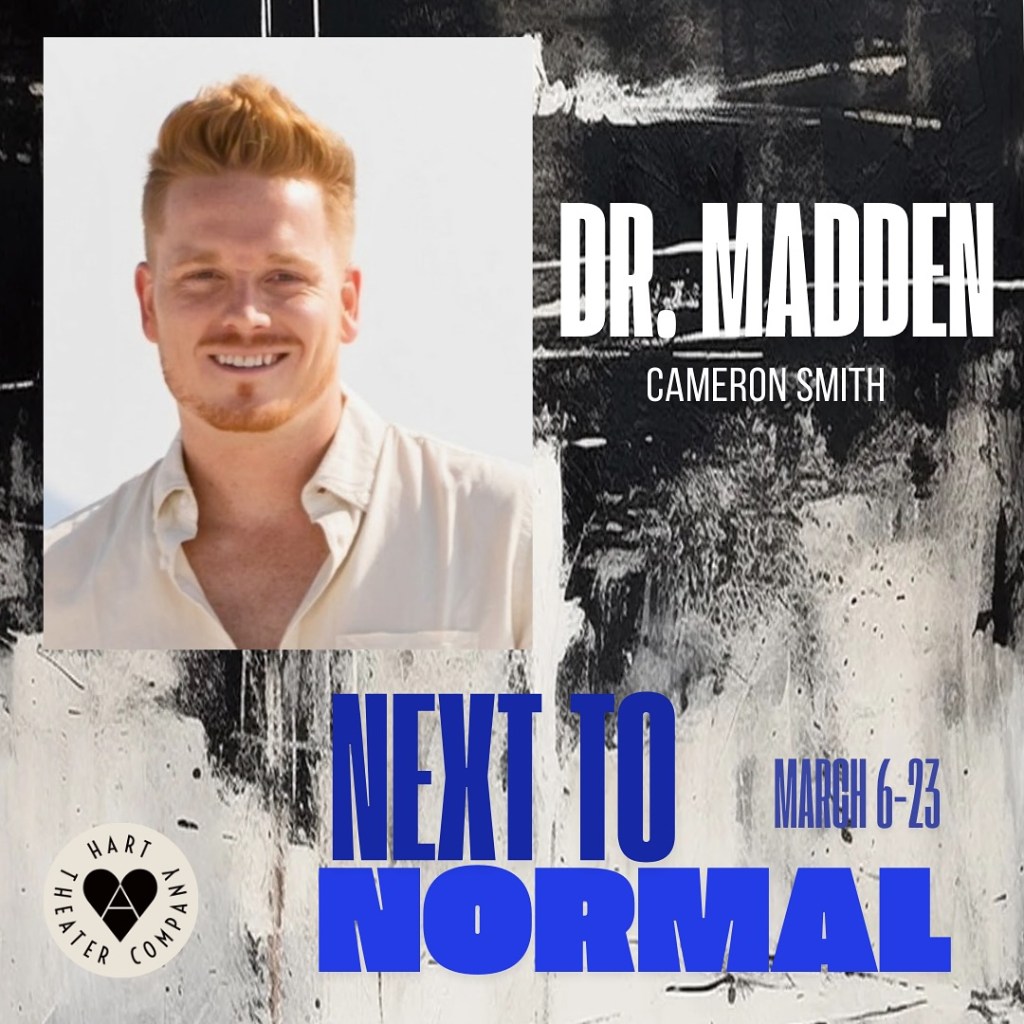
Cameron Sol takes on the role of Dr. Madden with a refreshingly nuanced approach, avoiding the trope of the cold and detached psychiatrist. Instead, Sol brings a layered performance, balancing clinical objectivity with genuine compassion for Diana’s struggles. His interactions with Noble’s Diana are particularly compelling as he carefully navigates the line between professionalism and empathy.
Sol’s rasp and belt are impressive in every song, and his performance shines in moments where Dr. Madden must act as both a guide and an enforcer of medical treatment, walking the delicate tightrope between offering help and imposing control. His commanding stage presence ensures that every scene he is in carries weight, making Dr. Madden feel like a crucial figure in Diana’s journey rather than a mere plot device.
A Contemporary Reflection on Mental Health
Though Next to Normal debuted in 2009, its portrayal of mental health treatment remains strikingly relevant. Some aspects, such as the depiction of ECT, might feel slightly dated, given modern advancements like ketamine therapy for treatment-resistant depression. However, the core message remains unchanged: mental health treatment is imperfect, often involving trial and error, and the struggle to find effective care can be daunting.
As someone who has felt the pain of mental health surrounding almost every part of my life, I understand that sometimes there are no easy answers; medications don’t always provide an easy way out, and treatments come in all shapes and sizes. What works for one person will not work for others.
Final Thoughts
Hart Theatre Company’s Next to Normal is a triumph in storytelling, performance, and technical execution. It does not shy away from the hard truths of mental illness but instead presents them with honesty and emotional depth. This is not just a musical—it is an experience. Hart Theatre Company’s production of Next to Normal lingers in the mind and heart long after the final note fades, a reminder that in life, as in theatre, the most profound beauty often emerges from the darkest places. For those seeking a theatre experience that is as thought-provoking as it is emotionally gripping, Hart Theatre Company’s Next to Normal is a must-see. With performances running through March 23rd, don’t miss the chance to witness this breathtaking production in Salt Lake City.
Next to Normal runs Thursdays through Sundays at the Regent Street Black Box Theatre at the Salt Lake City Eccles, 144 Regent Street, Salt Lake City, Utah, through March 23rd. Tickets are $25-30. More information can be found on Hart Theatre Company’s Instagram or Facebook pages.

Production Crew
- Producer: Emily Wells
- Director: Chase Ramsey
- Assistant Director: Shannon Follette
- Music Director: Nicholas Maughan
- Assistant Music Director: Joshua Rogers
- Stage Manager: Liz Black
- Technical Director: Bob Fisher
- Lighting Design: Michael Gray
- Sound Design: Grace Heinz
- Costume Design: Emily Wells
- Scenic Design: Chase Ramsey
- Properties Design: Sam Torres & Shannon Follette
- Marketing Coordinator: Sam Torres
- Graphic Design & Muralist: Sam Torres
Next to Normal runs at the Regent Street Black Box at the Eccles Theater, Thursdays through Sundays March 6th – 23rd. Use code NEXT2NORMAL for $2 off your tickets.
SHOW INFORMATION
📅 Dates: March 6-23, 2025
⏰ Showtimes: 7:30 pm, 1:00 pm matinees, 6:00 on Sundays
🎟️ Tickets: $25-$35
📞 Box Office: (801)355-2787
📧 Email: harttheaterco@gmail.com
🌐 Website: https://www.saltlakecountyarts.org https://www.saltlakecountyarts.org/events/next-to-normal/
📍 Venue: 144 Regent St Salt Lake City, UT 84111
🚗 Directions & Parking: Visit Here: https://www.google.com/maps?q=40.7664303,-111.8926434
⏳ Run Time: Run time: TBA
Ages: “Next to Normal” is recommended for ages 18 and up.
♿ Accessibility Information: https://www.saltlakecountyarts.org/ticket-office-information/
Wheelchair spaces and companion seats are reserved for the exclusive use of individuals with disabilities. These seats are available at all of our venues and can be purchased at all points of sale – in person, by telephone, and online. If you would like to talk with someone about wheelchair seating, curbside assistance, or any of our other accessibility accommodations, please call ArtTix at 801-355-ARTS (2787); toll-free at 1-888-451-ARTS (2787); or at 711 for Telecommunications Relay Service (TRS).
When purchasing a wheelchair space, you acknowledge that you or a member of your party requires accessible seating. You may purchase up to three companion seats at the same price for the same performance. ArtTix may follow up with a phone call regarding accessible seating transactions. The purchase or use of these seats by non-disabled patrons is prohibited and will result in seat relocation or forfeiture of the ticket and any ticketing costs. All Salt Lake County Arts and Culture venues are accessible to people with disabilities and offer wheelchair seating, curbside assistance, and assisted listening devices. Other accommodations are available on request including ASL interpretation and captioning services, these require a six-week lead time.


Leave a Reply