
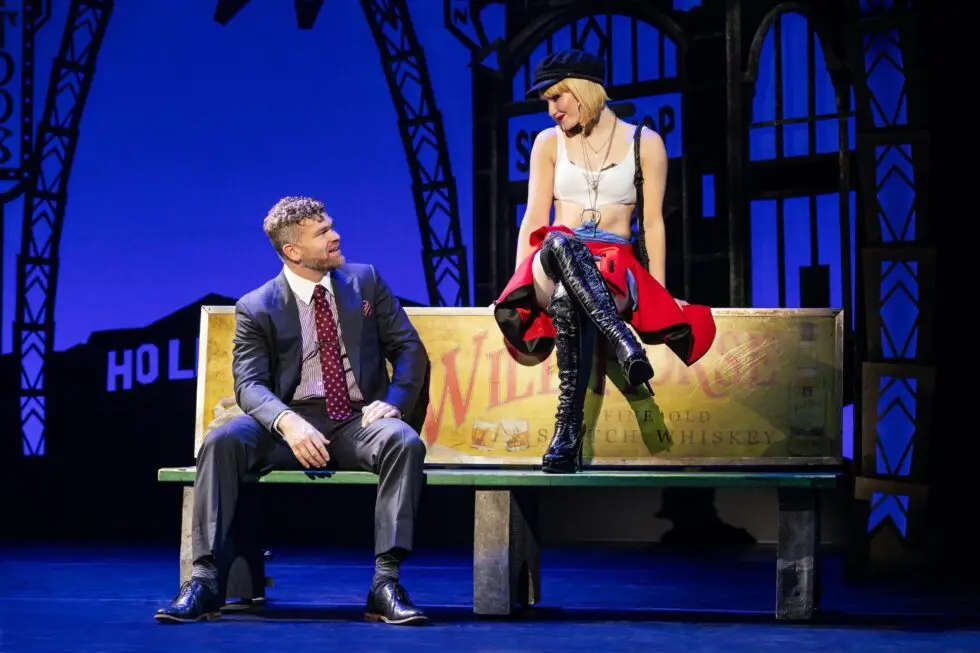
SALT LAKE CITY, UT—As the curtains rose and the spotlight dimmed, I was transported to the familiar glitz and glamour of Beverly Hills, accompanied by the infectious energy of Pretty Woman: The Musical. Adapted from the iconic 1990 film, this theatrical rendition—with a book by Garry Marshall and J. F. Lawton—brings the beloved characters and timeless story to life with a fresh and captivating twist.
The music, composed by Bryan Adams and Jim Vallance, perfectly captures the essence of the ’90s while infusing the score with a contemporary flair, keeping it relevant and engaging for today’s audiences. Each song is a vibrant thread weaving together the narrative, enhancing the story’s emotional depth.
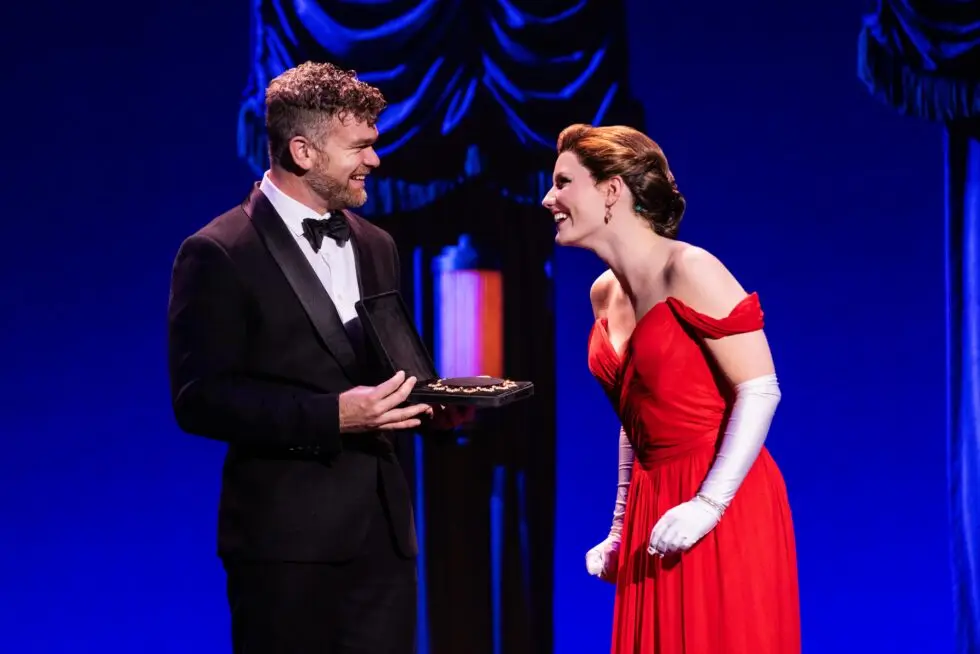
At the heart of the musical is a love story brought to life by stellar performances. Ellie Baker shines as Vivian Ward, effortlessly embodying the vivacious charm and vulnerability of the iconic character originally portrayed by Julia Roberts. Her powerful vocals and magnetic stage presence command attention, drawing the audience deeper into Vivian’s journey of self-discovery and empowerment—and her snort is absolutely adorable.

Opposite Baker, Chris Wolfe delivers a compelling portrayal of the enigmatic Edward Lewis. His charismatic performance captures Edward’s complexity: a tough exterior masking a softer, more vulnerable side. Wolfe’s solos are particularly captivating, offering glimpses into Edward’s inner thoughts. His musician’s demeanor and raspy voice are a delight, leaving the audience wanting more.
The chemistry between Baker and Wolfe is palpable, creating a dynamic that drives the emotional core of the story. Their makeout scenes are intense—this is not a musical for kids! While some scenes push boundaries, everything is handled tastefully.
The supporting cast further elevates the production. Rae Davenport delivers a standout performance as the sassy and supportive Kit De Luca, while Adam Du Plessis perfectly captures the sleazy arrogance of Philip Stuckey. Davenport’s upper vocal range is breathtaking and adds depth to her character.

Photo Credit: Matthew Murphy for MurphyMade
One of my favorite scenes is when Edward takes Vivian to the opera. The reimagined staging of this moment is delightful. We get to see Vivian’s reaction to the performance, watch the orchestra warm up, and even enjoy the exaggerated gestures of the conductor. Sarah Wang’s stunning opera vocals bring the scene to life, blending classical and musical theatre elements. As someone familiar with both worlds, I found this twist refreshing and hilarious.
One of my favorite scenes is when Edward takes Vivian to the opera; how they have re-imaged this scene and turned it around is delightful.
~Rhetorical Review~
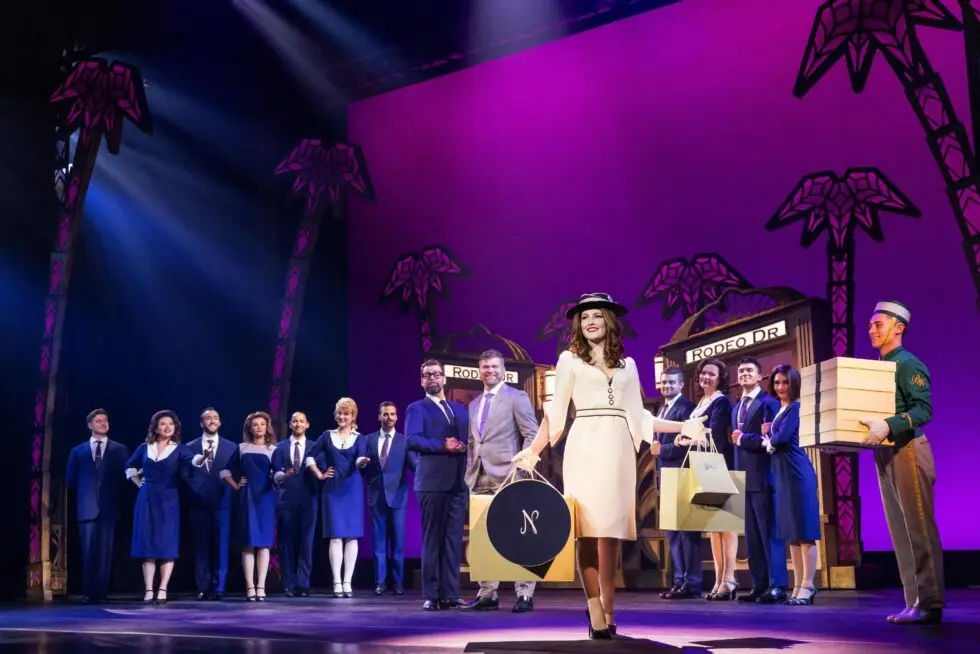
Visually, Pretty Woman: The Musical is a feast for the eyes. Christine Peters’ set design masterfully recreates the opulent world of Beverly Hills, transitioning seamlessly between luxurious hotel suites, bustling streets, and glamorous boutiques. Gregg Barnes’ dazzling costume designs perfectly capture the essence of each character and era.
Josh Marquette’s hair design and Fiona Mifsud’s makeup artistry are equally noteworthy, conjuring iconic late-’80s and early-’90s looks with voluminous hair and bold makeup. Tony Award-winning director Jerry Mitchell, with choreography recreated by Rusty Mowery and DB Bonds, orchestrates a stunning depiction of Los Angeles’ extravagant lifestyle. The result is a seamless blend of humor and sincerity that captivates the audience.
Visually, Pretty Woman – The Musical is a feast for the eyes. The set design by Christine Peters masterfully recreates the opulent world of Beverly Hills, seamlessly transitioning between luxurious hotel suites, bustling streets, and glamorous boutiques. Gregg Barne’s costume design adds to the spectacle with dazzling ensembles that capture the essence of each character and era.
Beyond the glitz and glamour, what truly sets Pretty Woman: The Musical apart is its message of love, acceptance, and transformation. At its core, the story celebrates second chances and the idea that true love knows no bounds. As Vivian and Edward navigate their unconventional relationship, they discover the power of authenticity and connection, ultimately finding redemption and happiness in each other’s arms.
Pretty Woman: The Musical pays homage to its cinematic origins while carving out its own identity. With its infectious energy and heartwarming message, it’s a production that leaves audiences cheering for love, laughter, and happily ever afters.
Broadway Across America, Zions Bank Broadway at the Eccles, and Crossroads Live present Pretty Woman: The Musical with a book by Garry Marshall and J. F. Lawton, and music and lyrics by Bryan Adams and Jim Vallance.
- Venue: The George S. and Dolores Doré Eccles Theater, 131 S Main St, Salt Lake City, UT 84111
- Dates and Times:
- April 2–4, 2024, 7:30 PM
- April 5–6, 8:00 PM
- April 7, 6:30 PM
- Matinees: April 6, 2:00 PM; April 7, 1:00 PM
- Tickets: $53–$149
- Contact: 801.355.2787
Follow Pretty Woman: The Musical on Facebook, along with Eccles Theater and Broadway at the Eccles.


Leave a Reply